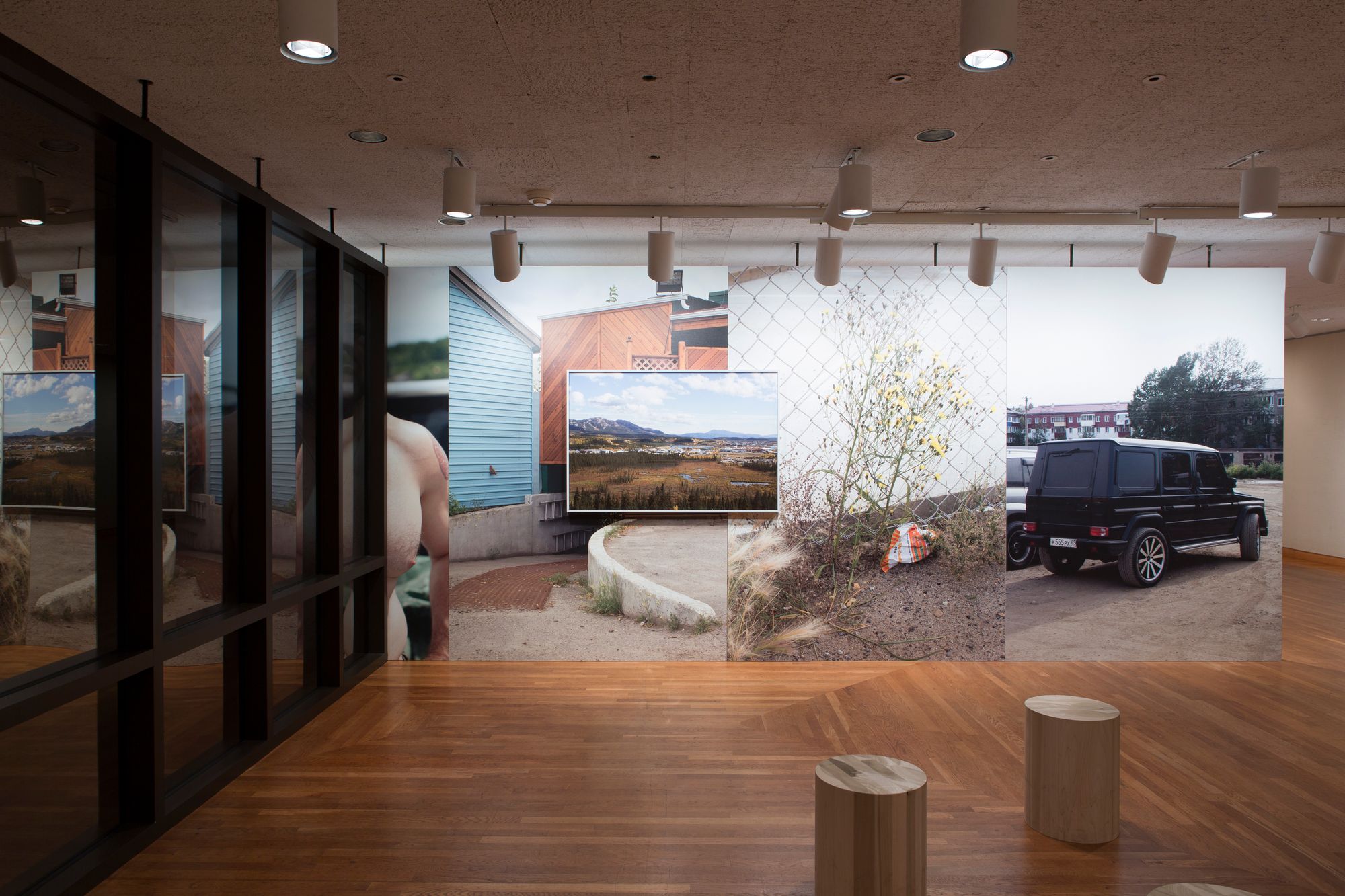
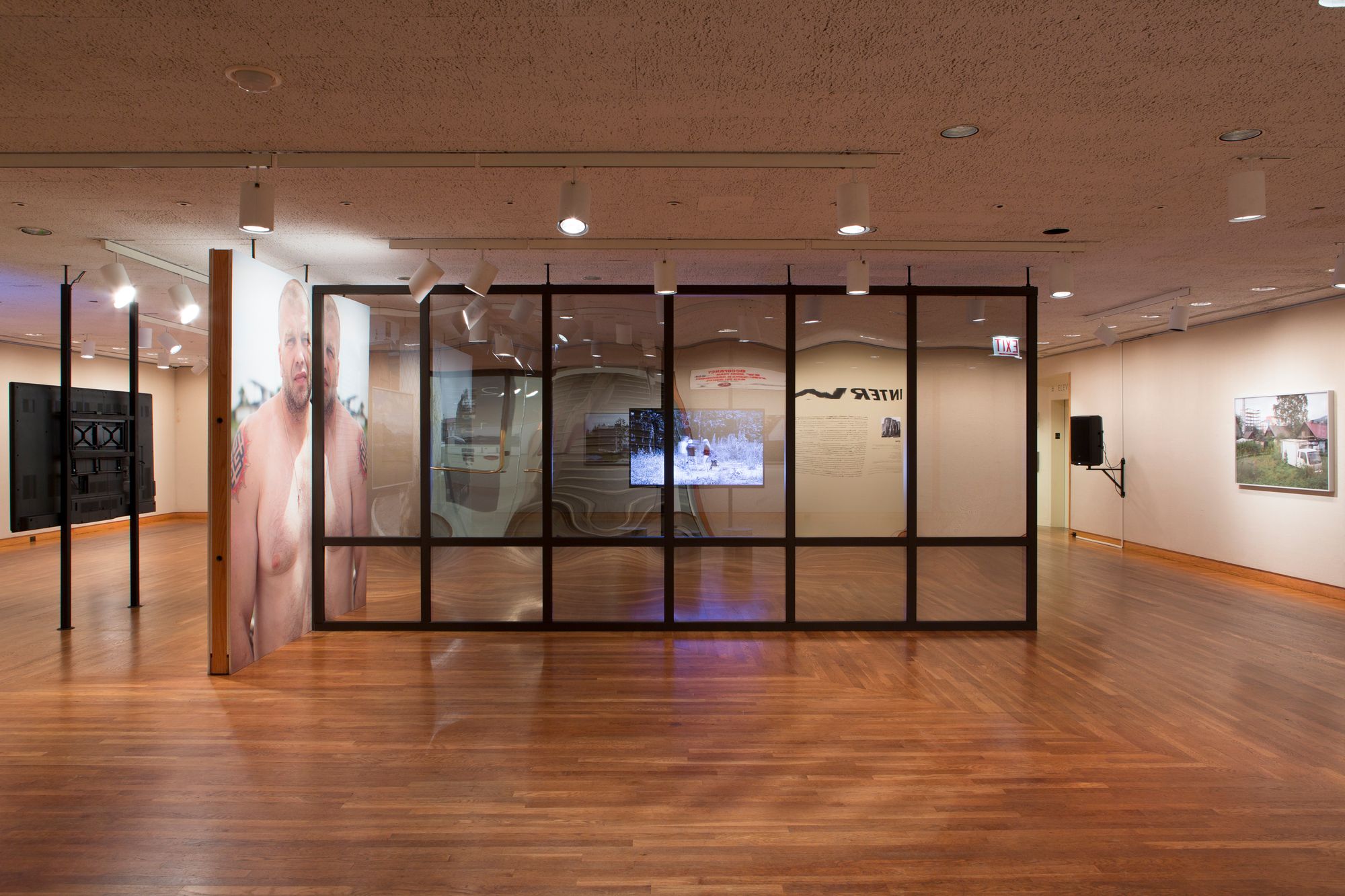
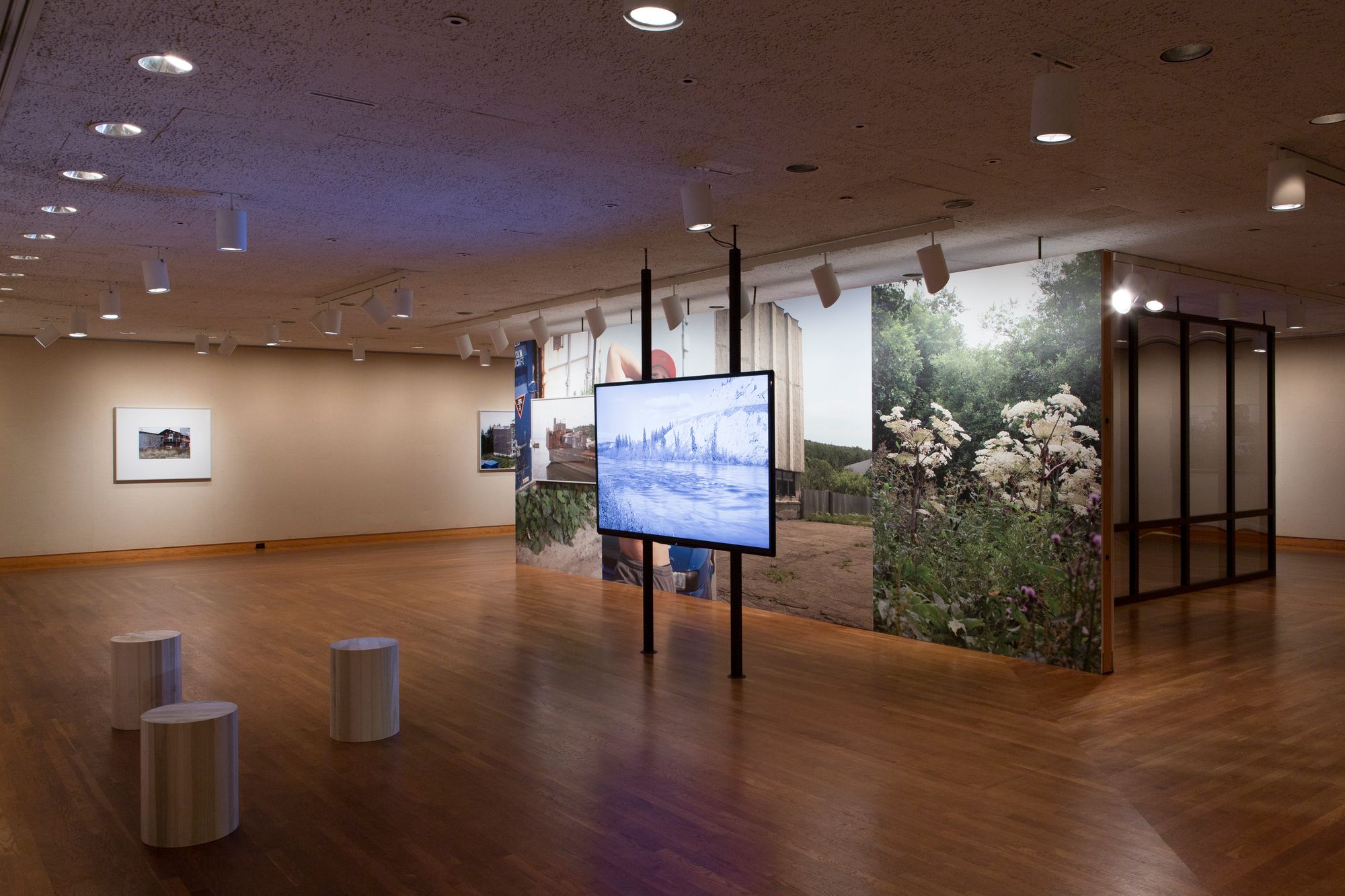
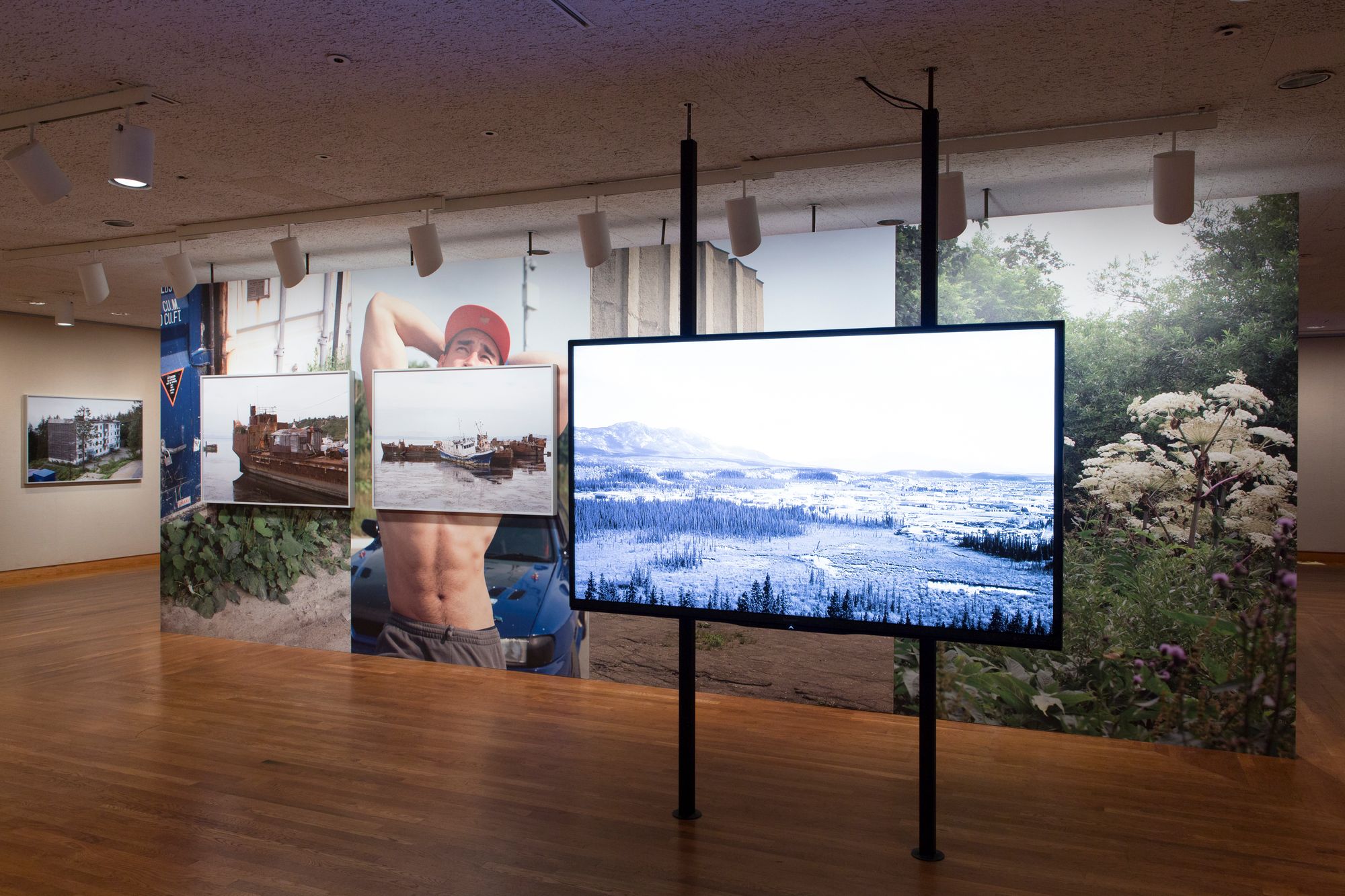
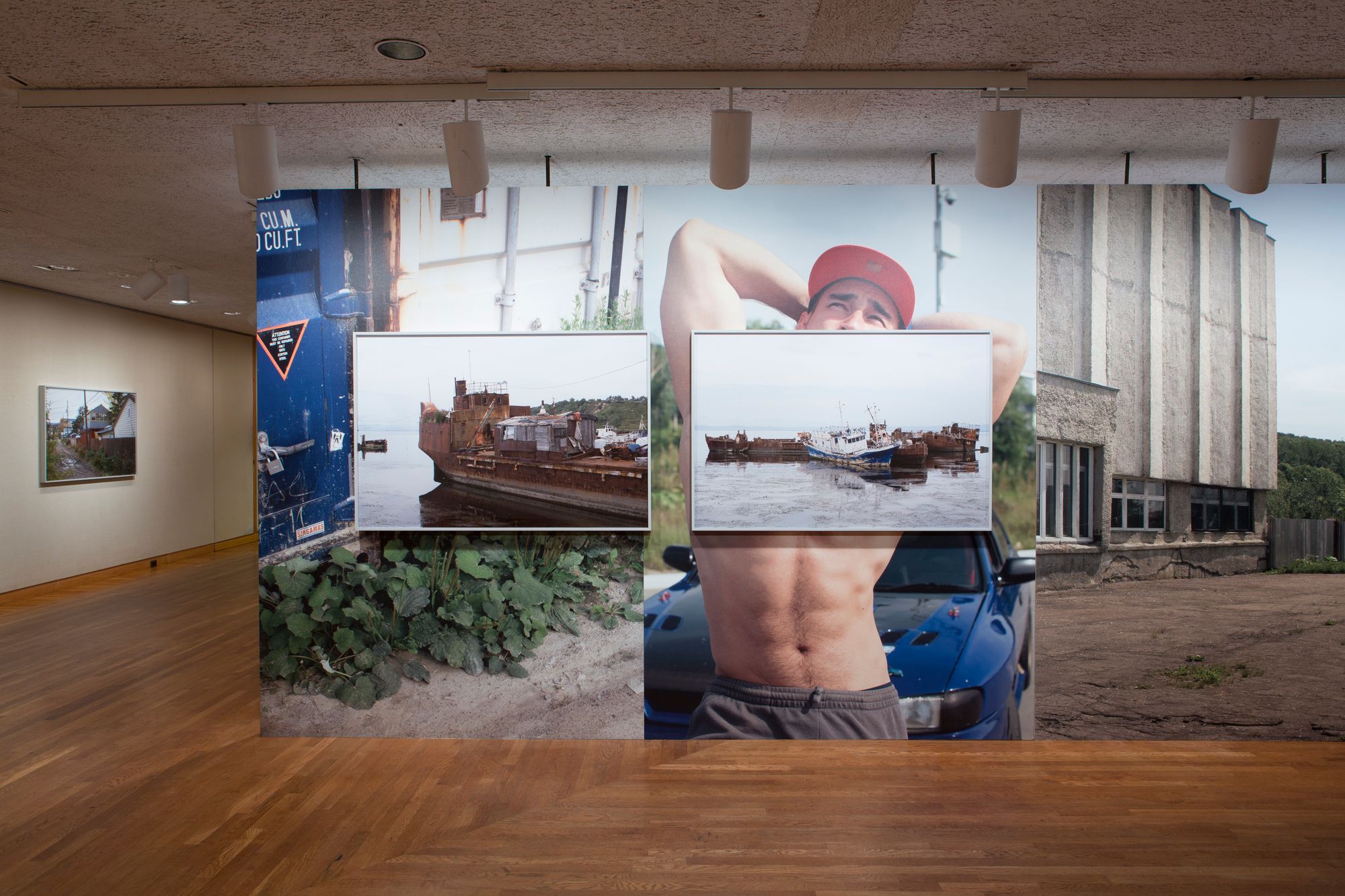
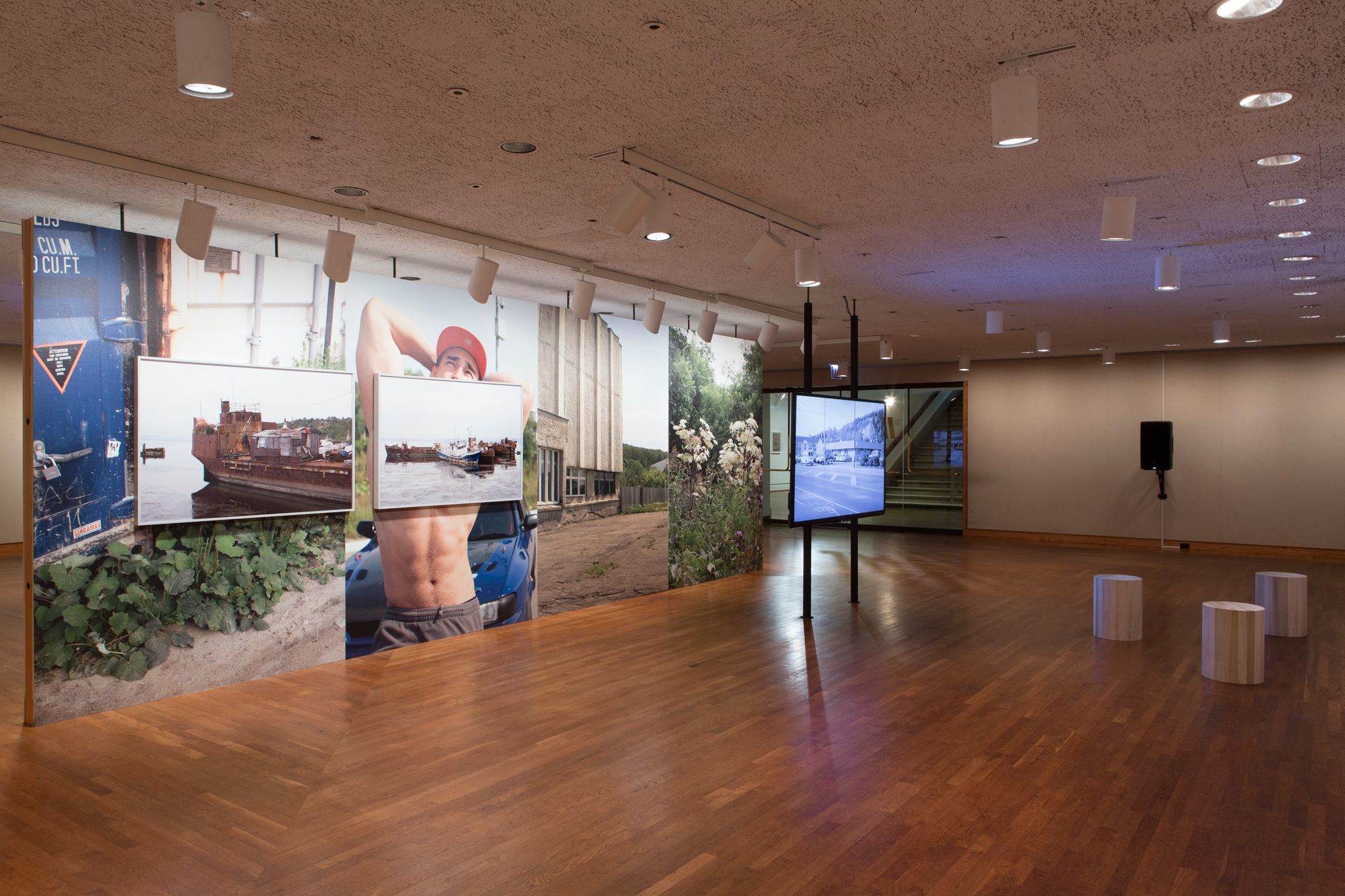
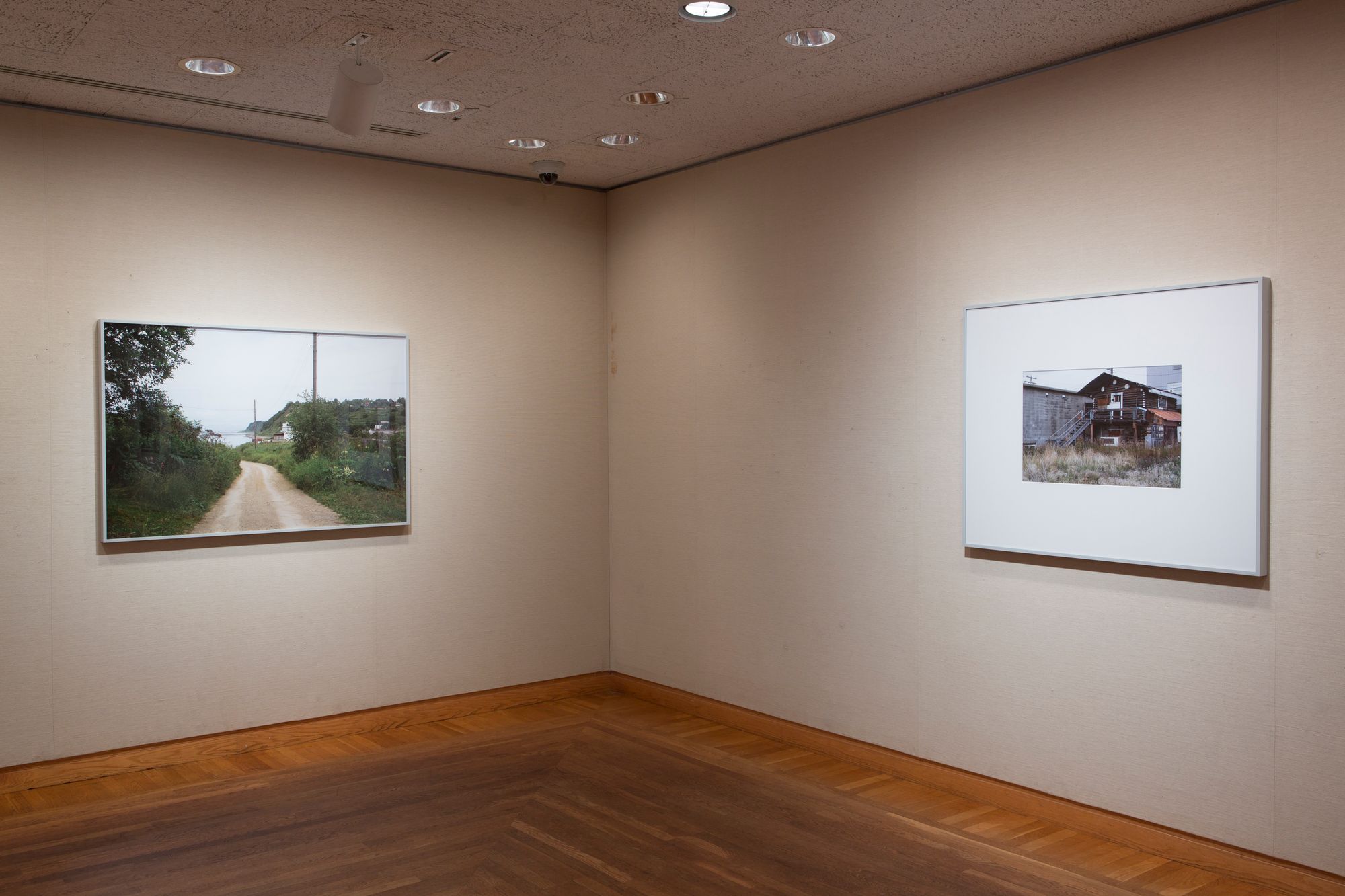
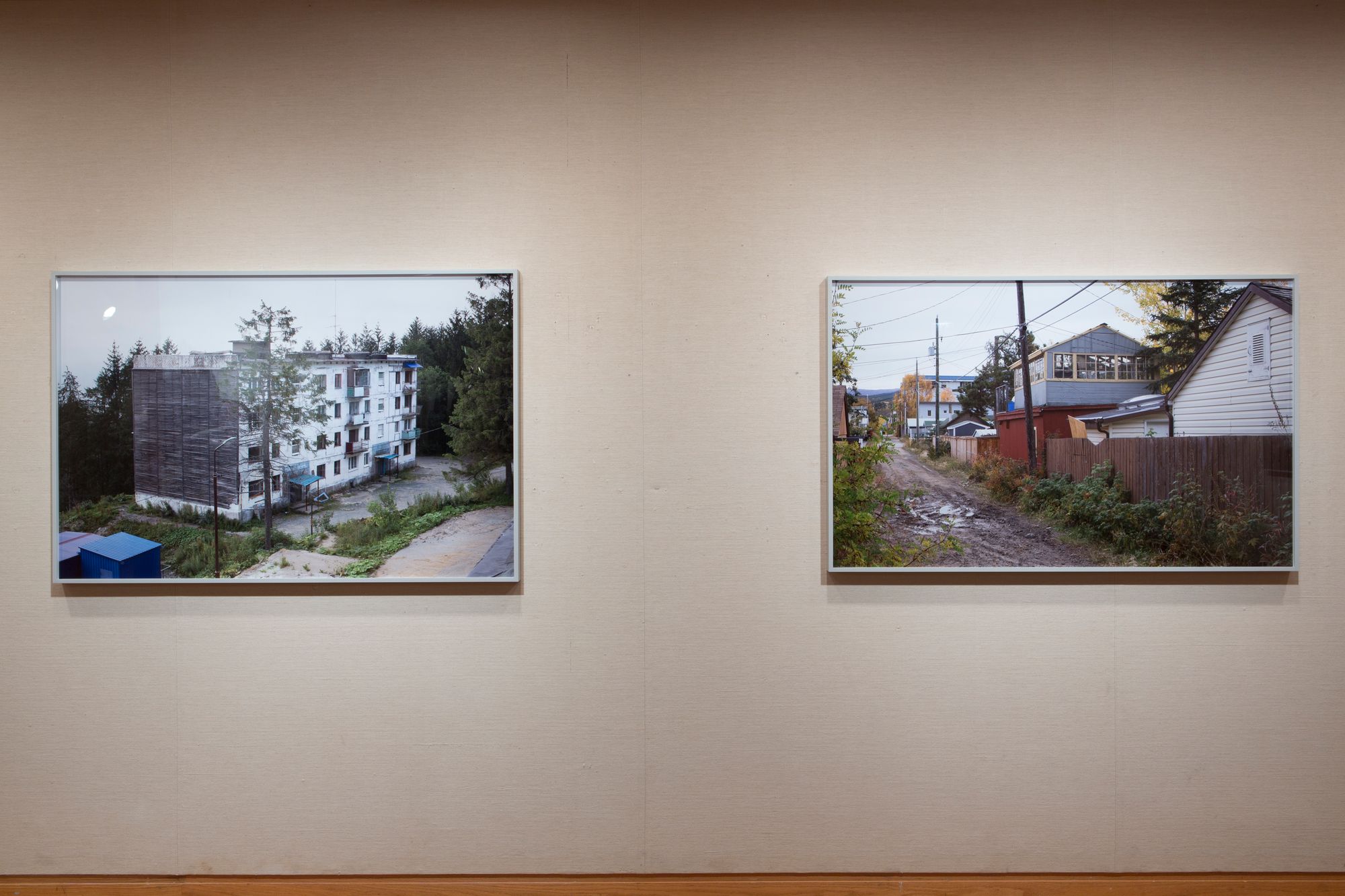
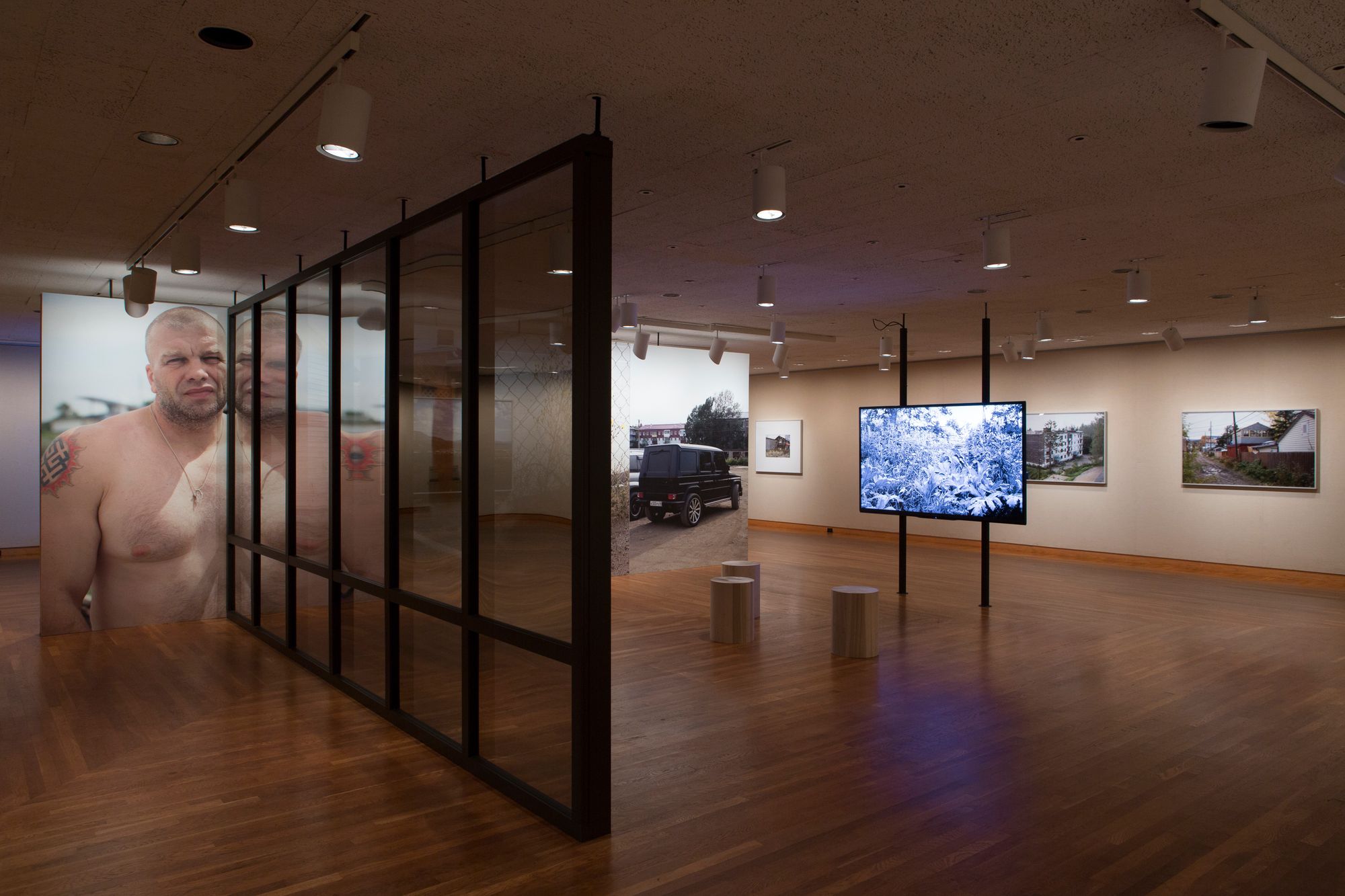
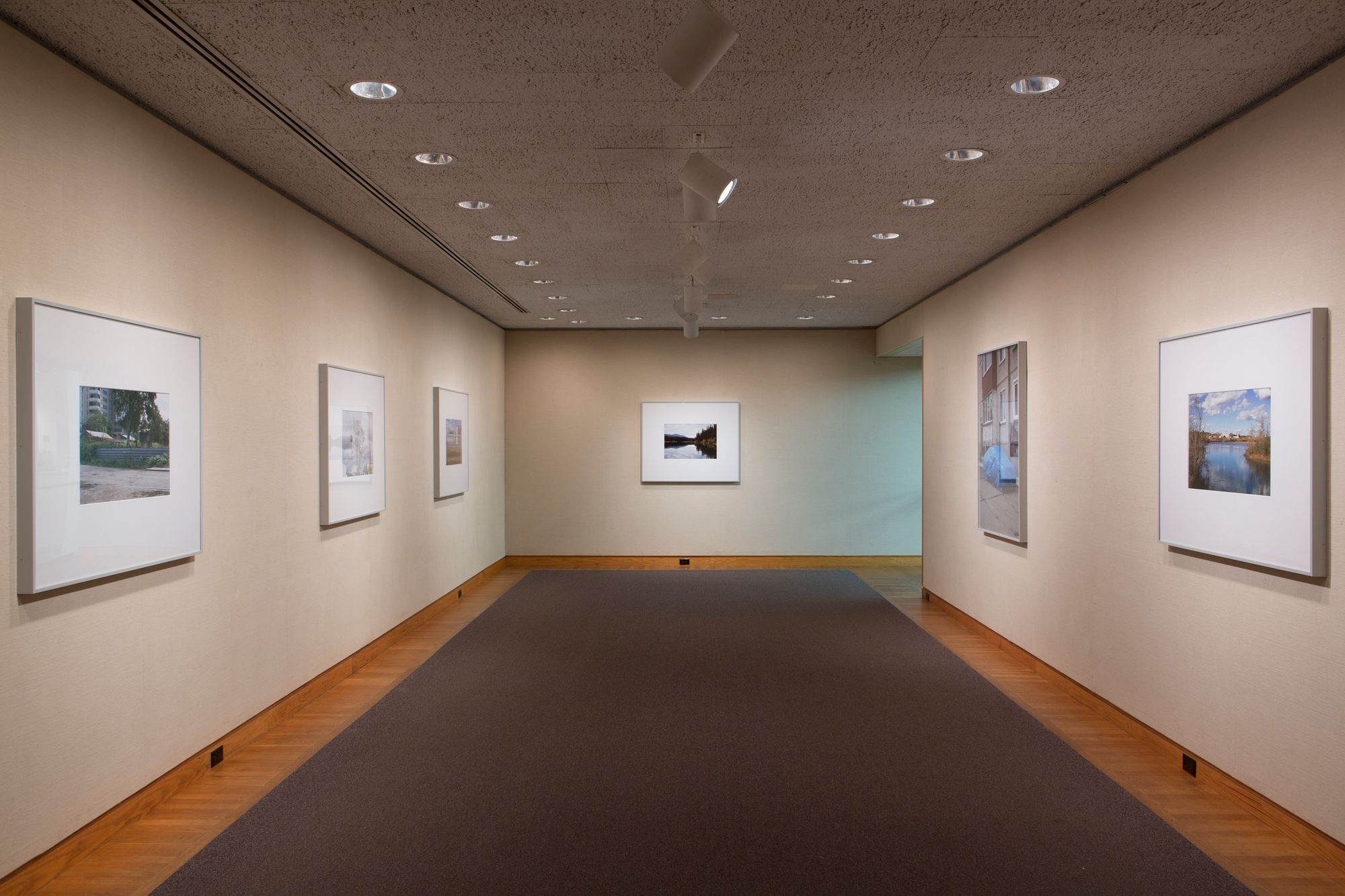
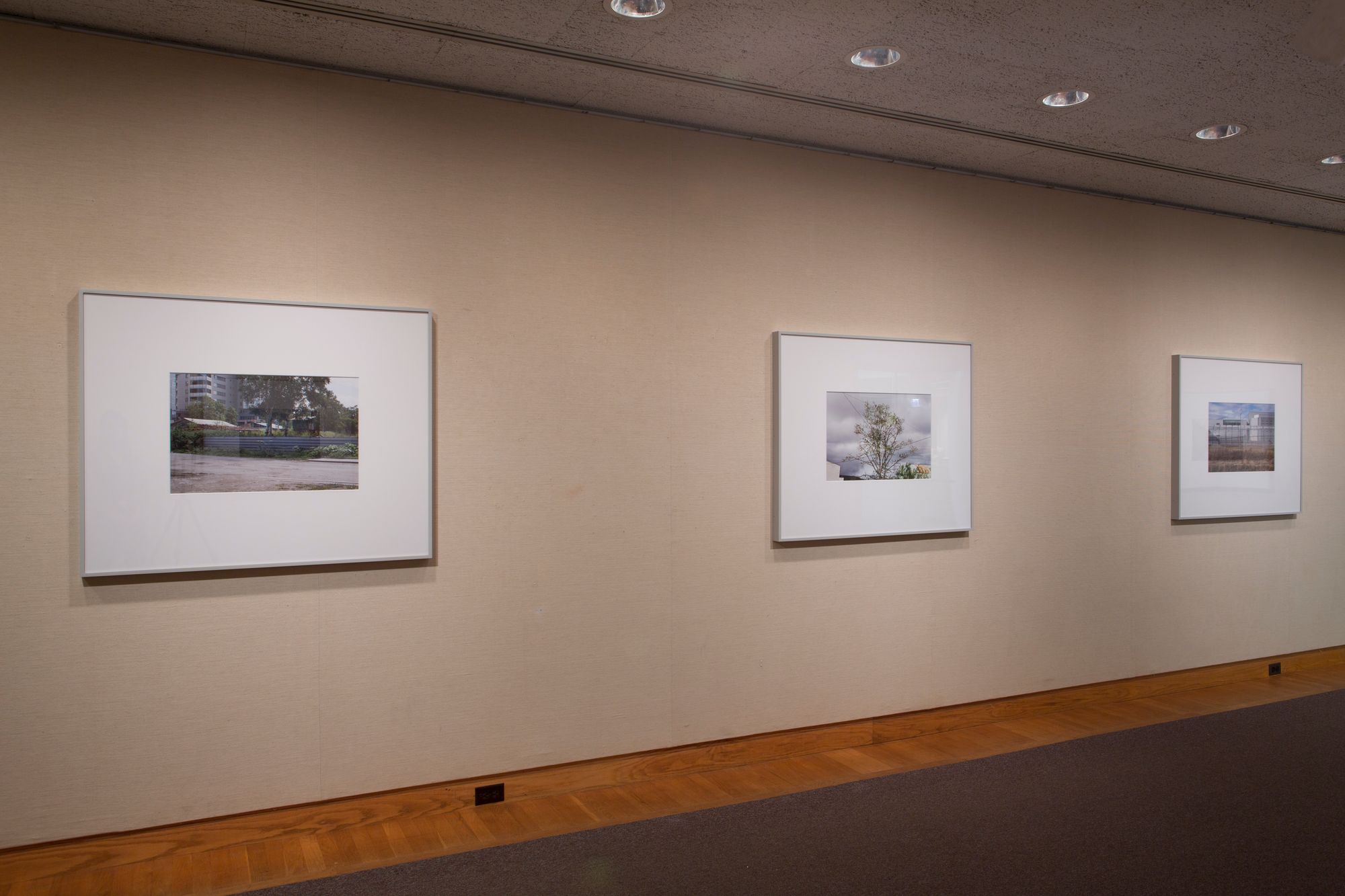
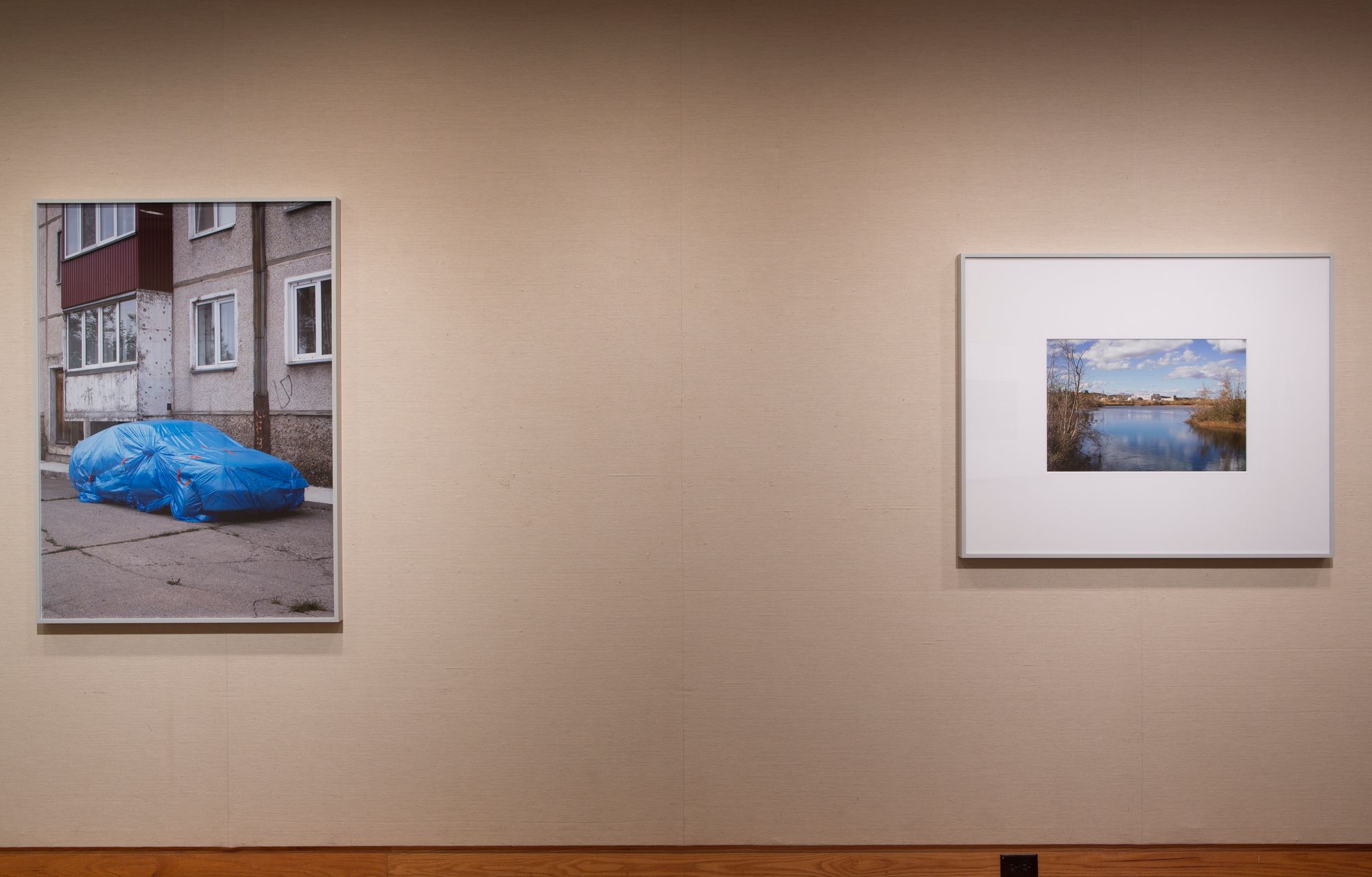
For Interval, Hartt focused on changing needs and values in three communities: Sakhalin Island, Russia; Whitehorse, Yukon, Canada; and downtown Los Angeles.
Sakhalin Island is a historically contested territory east of mainland Russia and north of Japan. Hartt drew inspiration from an account of a visit to the island by the playwright Anton Chekhov in 1890, when it was a Russian penal colony. Today, due to an influx of foreign investment, luxury hotels are constructed at a rapid pace, a process that is mirrored by—and that at times competes with—the brief growing season, in which foliage grows up seemingly overnight.
Whitehorse, once a harsh frontier land, is the capital of the Yukon Territory. In 1967 the Canadian classical pianist Glenn Gould made a radio documentary for the CBC, The Idea of North. It featured anthropologist and geographer James Lotz, who recounted his experiences in Whitehorse while reporting on the living conditions there for itinerant workers and the territory’s aboriginal peoples. Gould’s film grounded Canadian cultural identity in the romanticized vision of the rugged individual at the edge of the world. Hartt showed us that as Whitehorse changes, so too does its idealized inhabitant.
The architectural curtain wall erected here simulated the reflective exterior of the Bonaventure Hotel in Los Angeles. Hartt chose the Bonaventure, an icon of 1970s postmodernist architecture, as the first venue for this exhibition. The hotel’s ground-level stores, intended to lure the hotel’s ready consumers, are now largely vacant. Occupying one of these empty commercial spaces temporarily, Hartt posed a pressing question in modern times: how do we repurpose spaces or territories when their initial use has been abandoned?
Gould and Chekhov, each prominent cultural figures, sought the periphery of their respective societies in order to comment on the center. Working, as they did, at the margins and the center alike, Hartt explored the hybrid identities of sites and individuals in a globalized world.