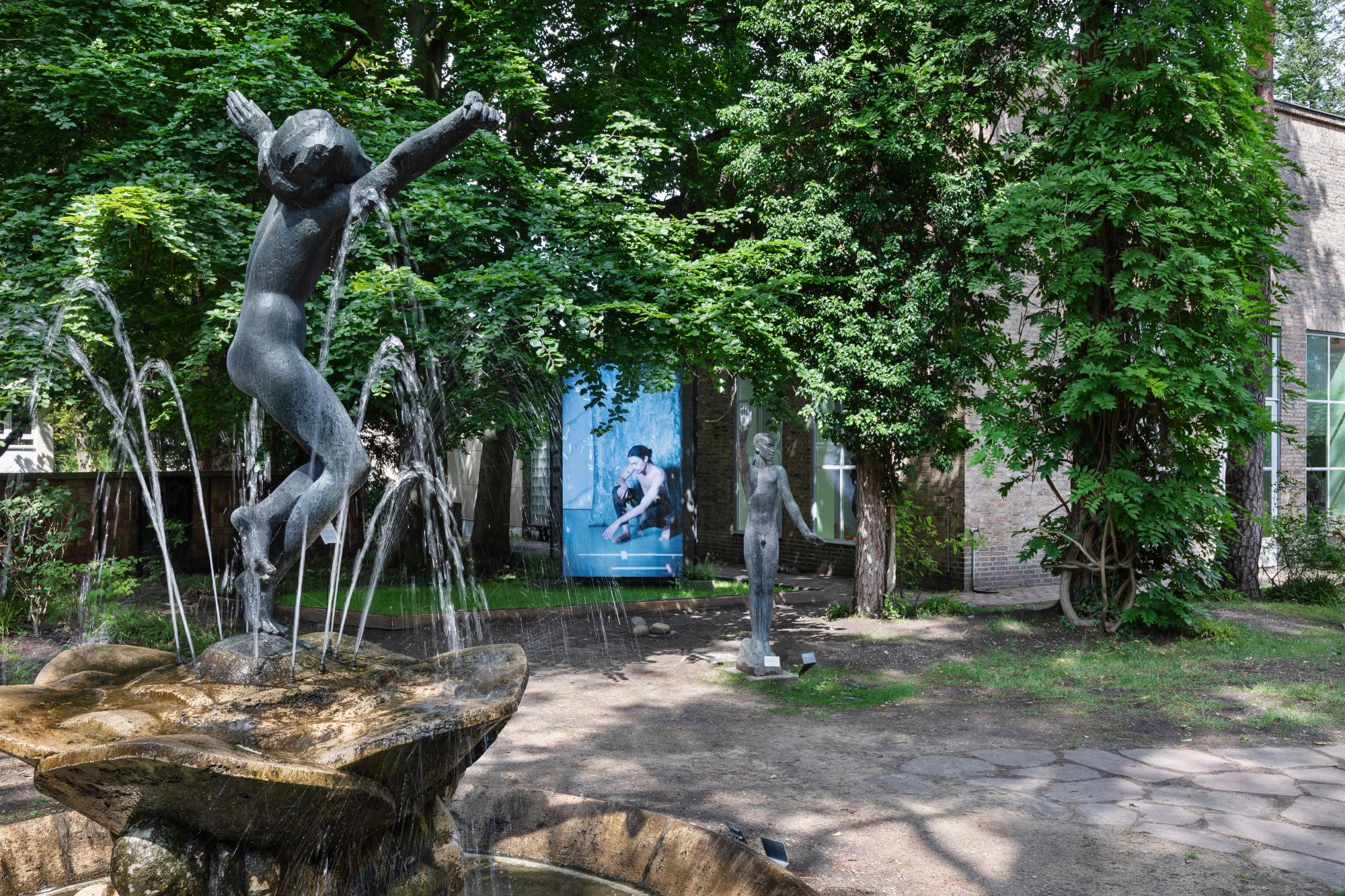
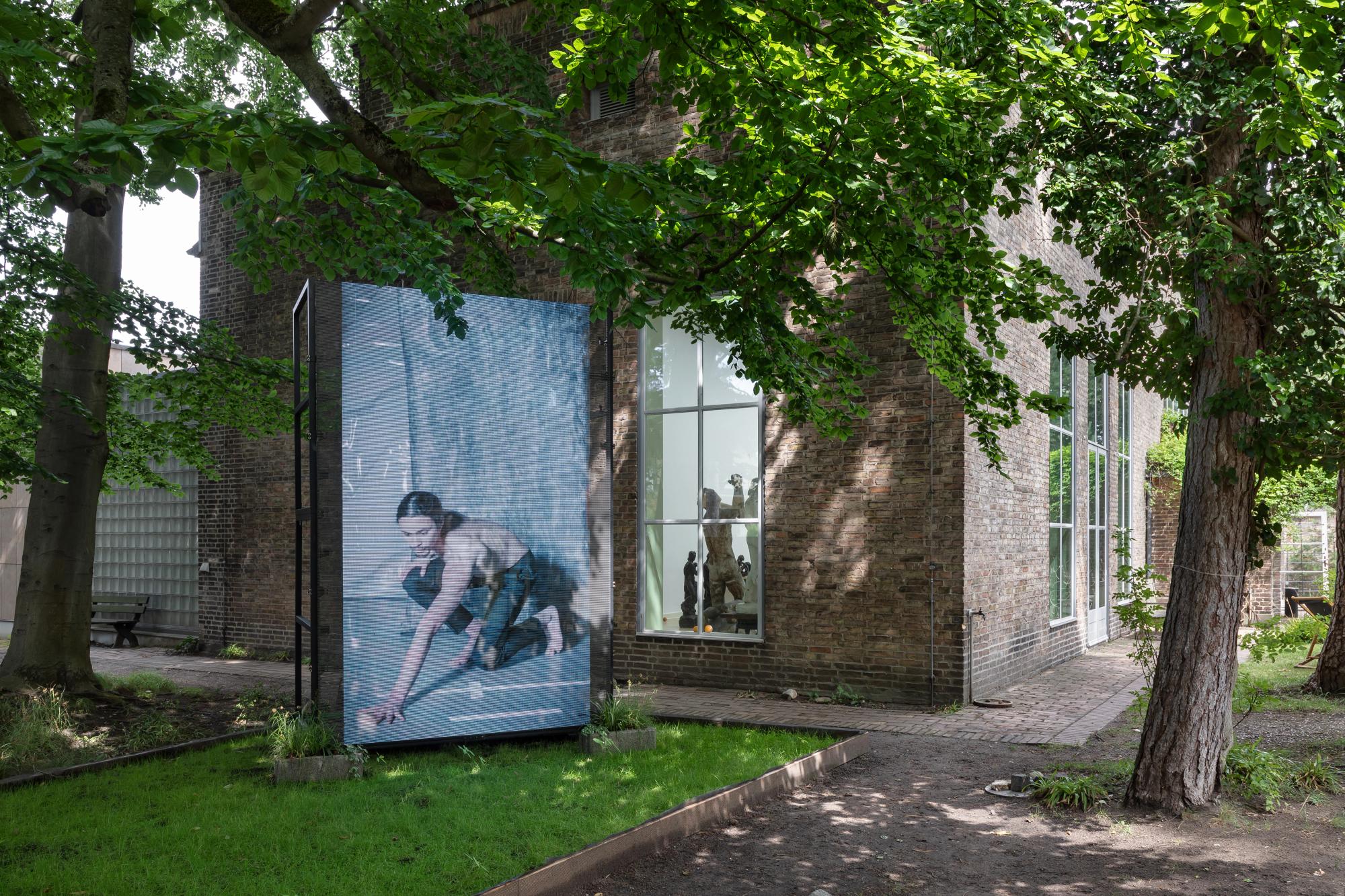
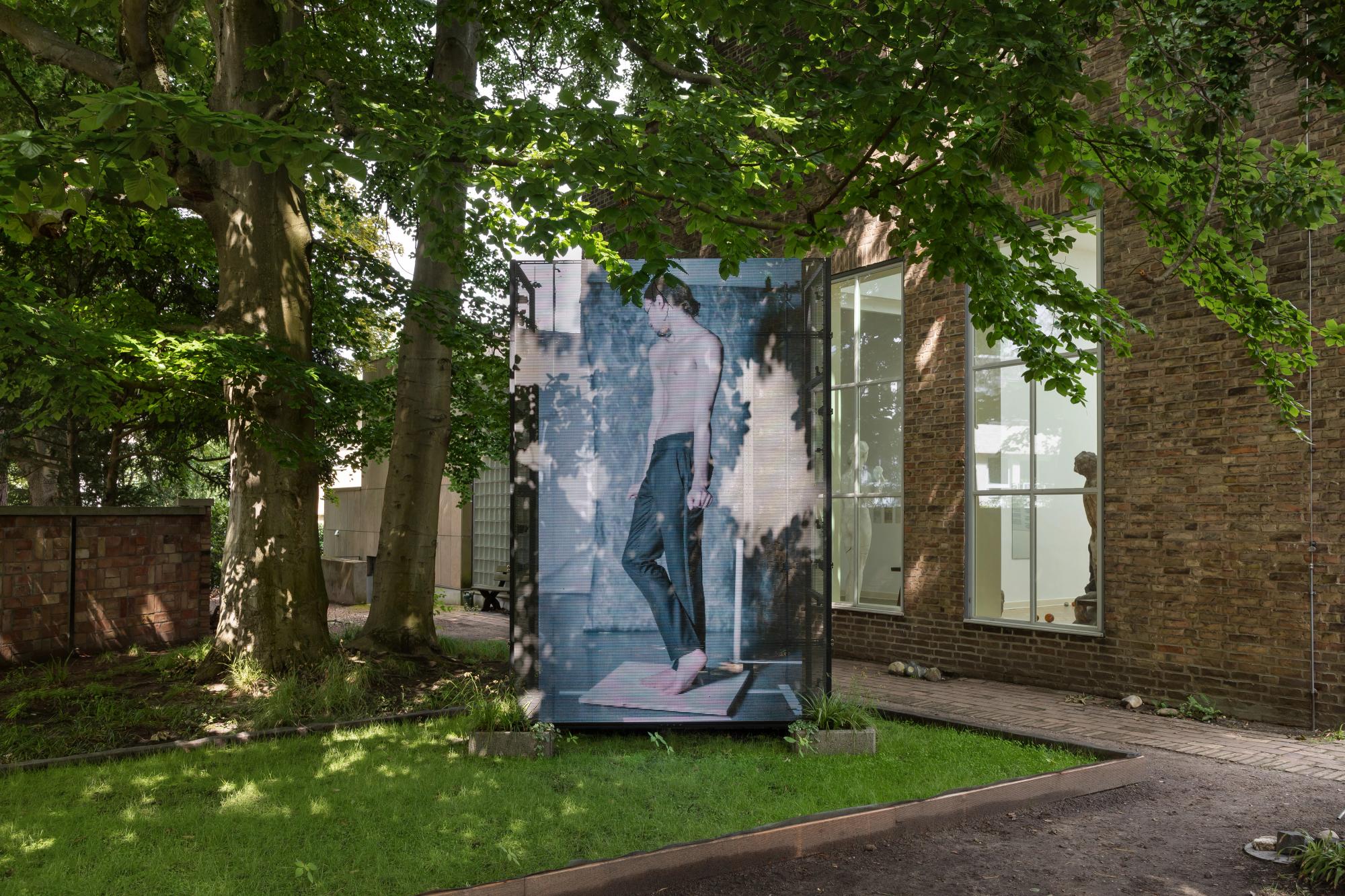
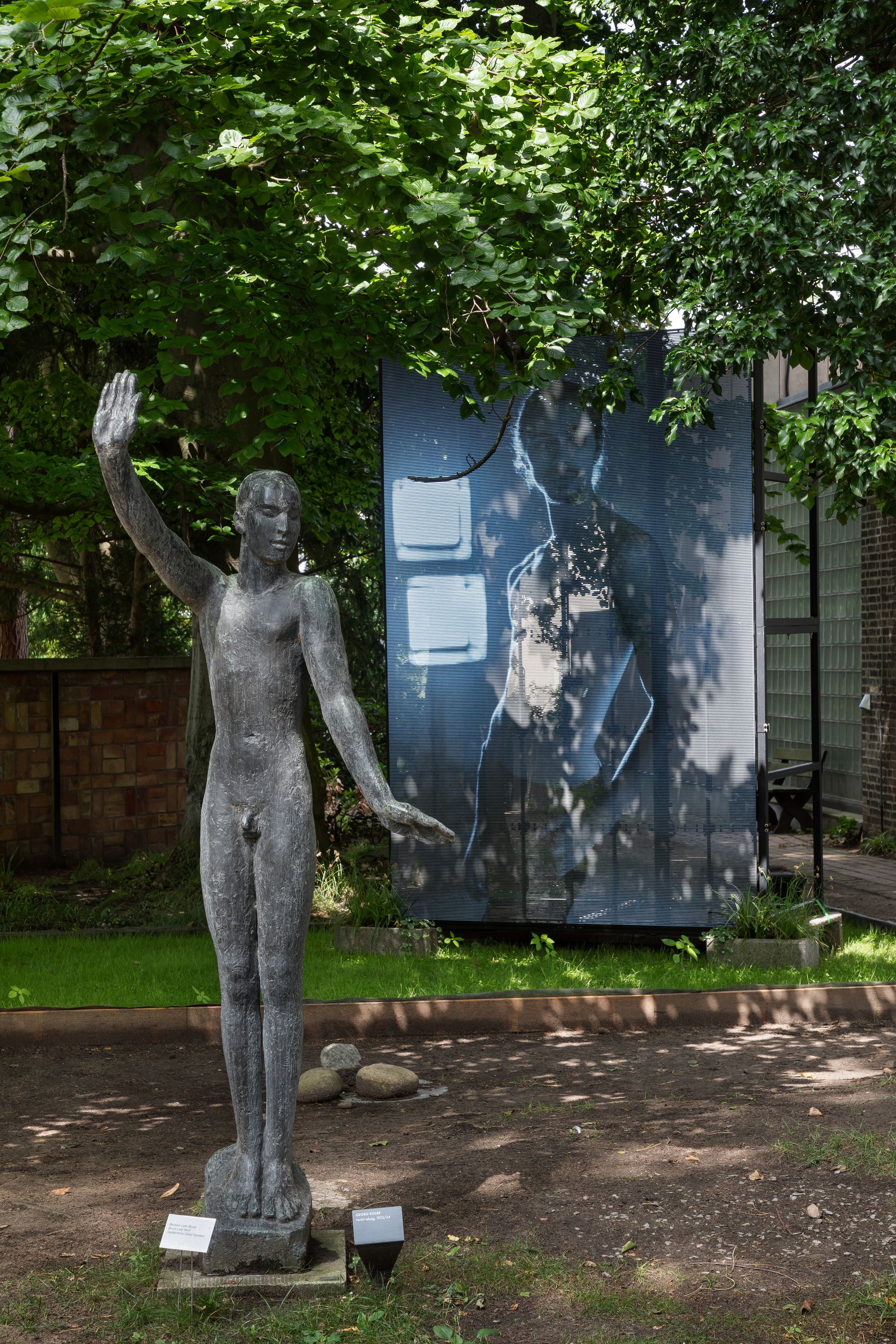
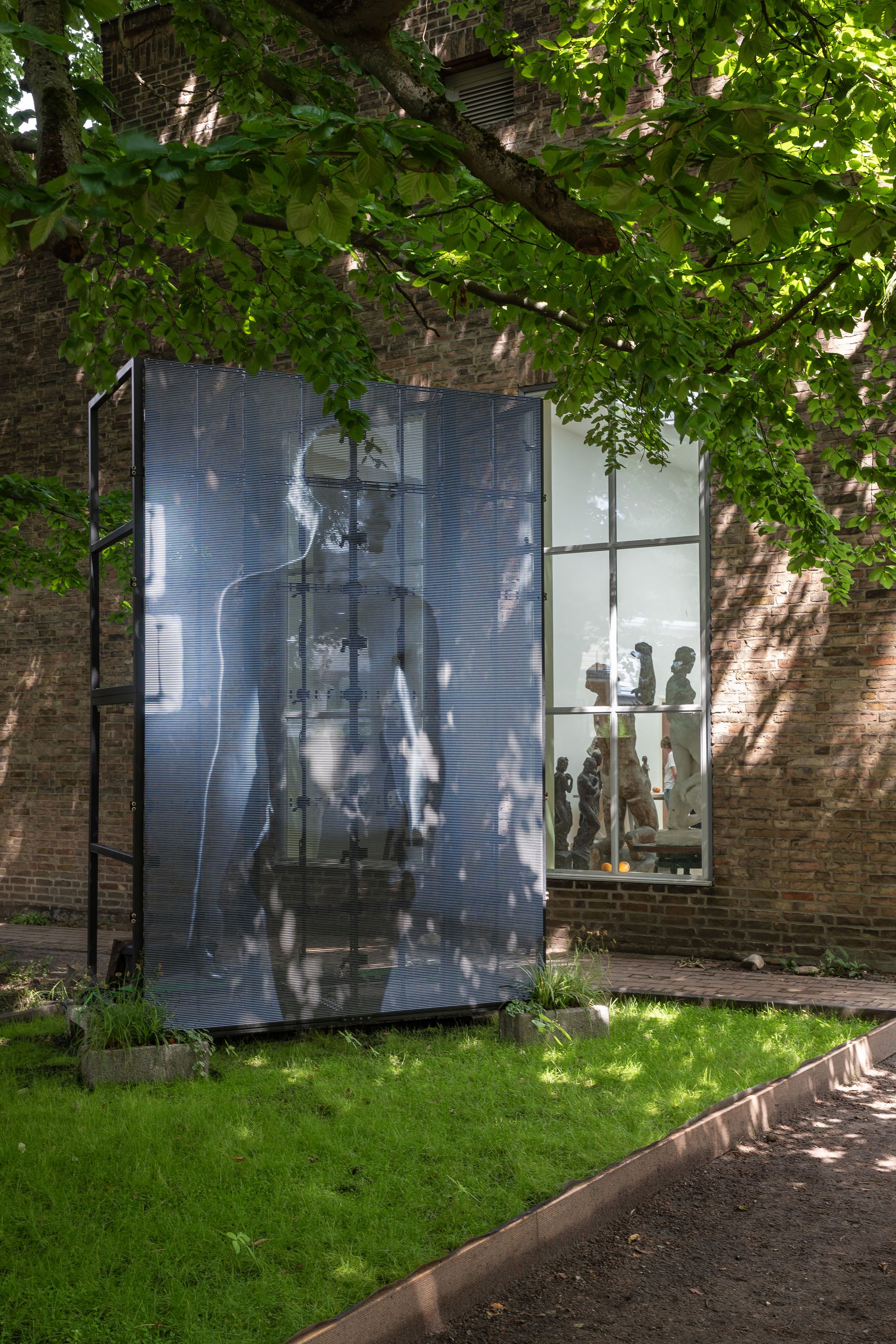
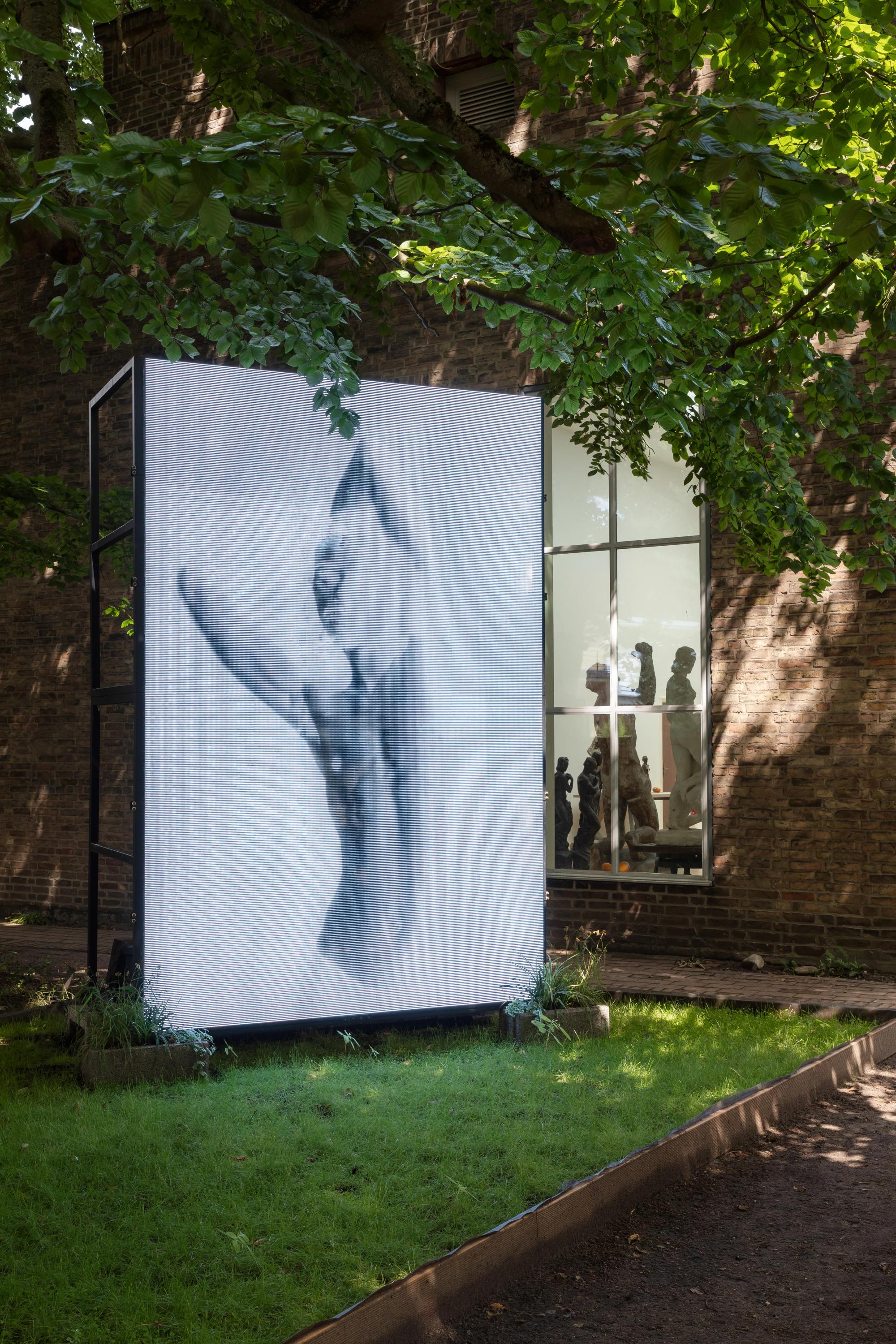
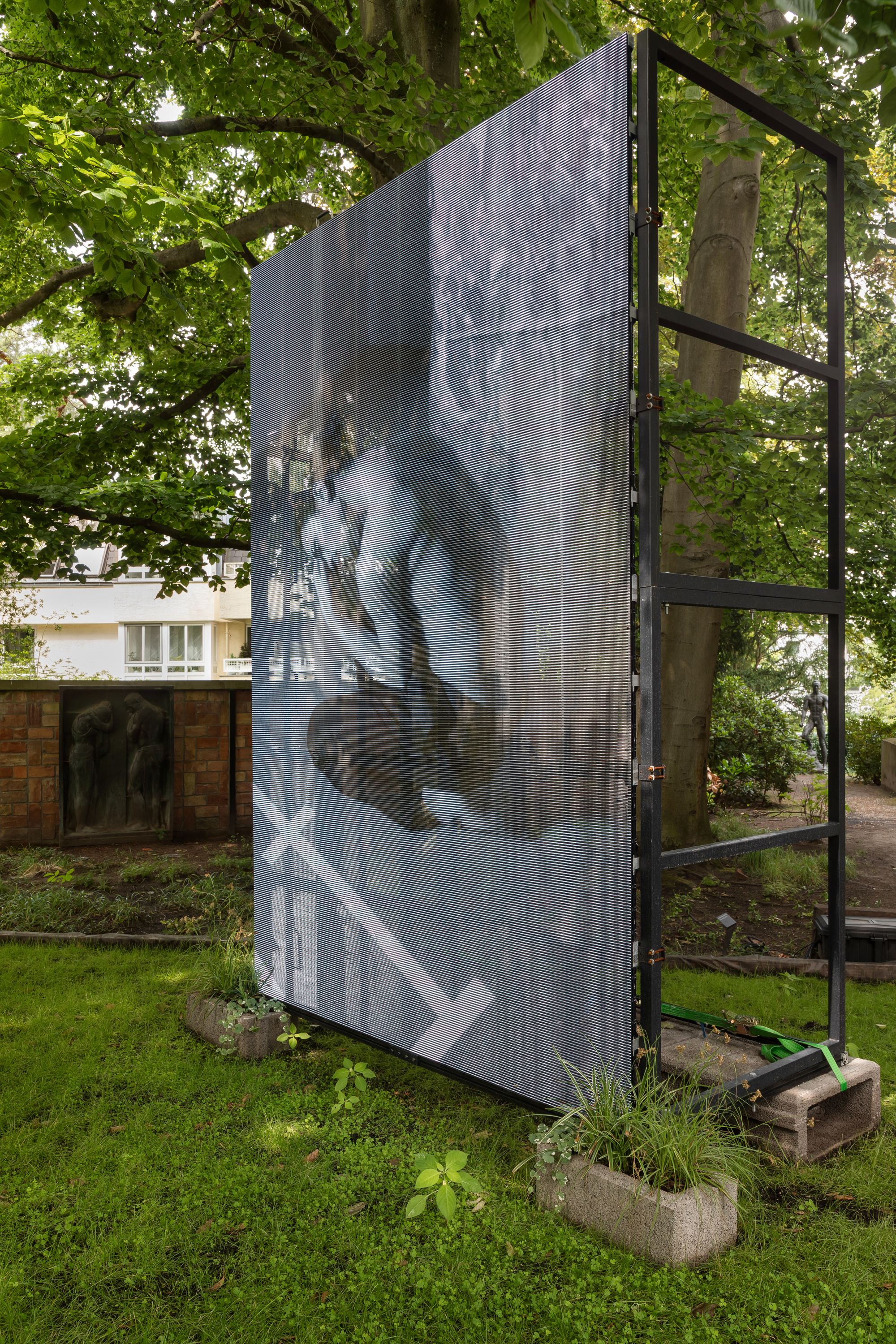
Every summer, a new temporary artwork is created for the garden of the Georg Kolbe Museum. In 2025, David Hartt presented a newly commissioned video work entitled Metabolic Rift.
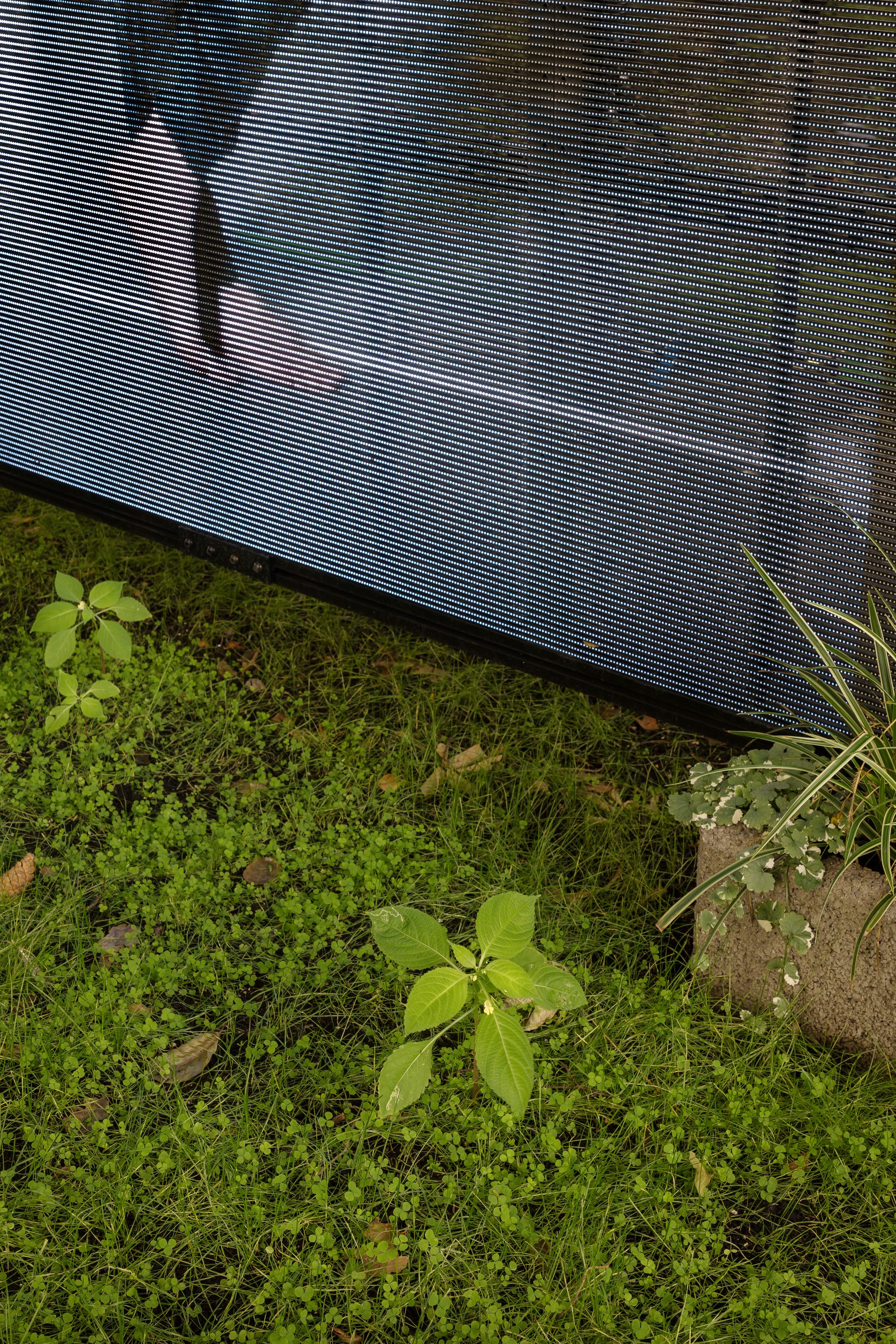
The large LED screen was embedded in the garden’s flora and was surrounded by a bed of fireweed (Epilobium angustifolium) and small balsam (Impatiens parviflora) – plants that thrive also in inhospitable environments. The small balsam (also Siberian balsam) found its way into botanical theories, which were reformulated into race theories at the beginning of the last century and were taken up by the National Socialists. The fireweed was known for its highly resistant spread and also grew in damaged or contaminated soil after wars or environmental disasters. In the immediate vicinity of Georg Kolbe’s Dancer’s Fountain (1922), and based on the poses of its figures, a contemporary dancer practiced a concentrated choreography. The piece was choreographed by Jimena Paz and was performed by Will Meadows. The model for Kolbe’s lithic carrier figures was a Black man, whose biography still needed to be reconstructed. The moving story of the fountain, told inside the museum and through the publication The Fountain, was the starting point for David Hartt’s artistic contemplation about interconnected relations between culture and environment, periphery and centre, Heimat and estrangement.
The title’s “metabolic rift” is a concept of Marxist ecology and was formulated by the sociologist John Bellamy Foster as a critique of capitalism. It describes a rift and a breakdown in the interdependent relationships between humans and nature in capitalist production systems and their far-reaching effects. With his work, David Hartt asked what it meant to be alienated from one’s own body in a foreign landscape: how to contaminate and thus enrich the ground as you pollinated it with a poetic Otherness.