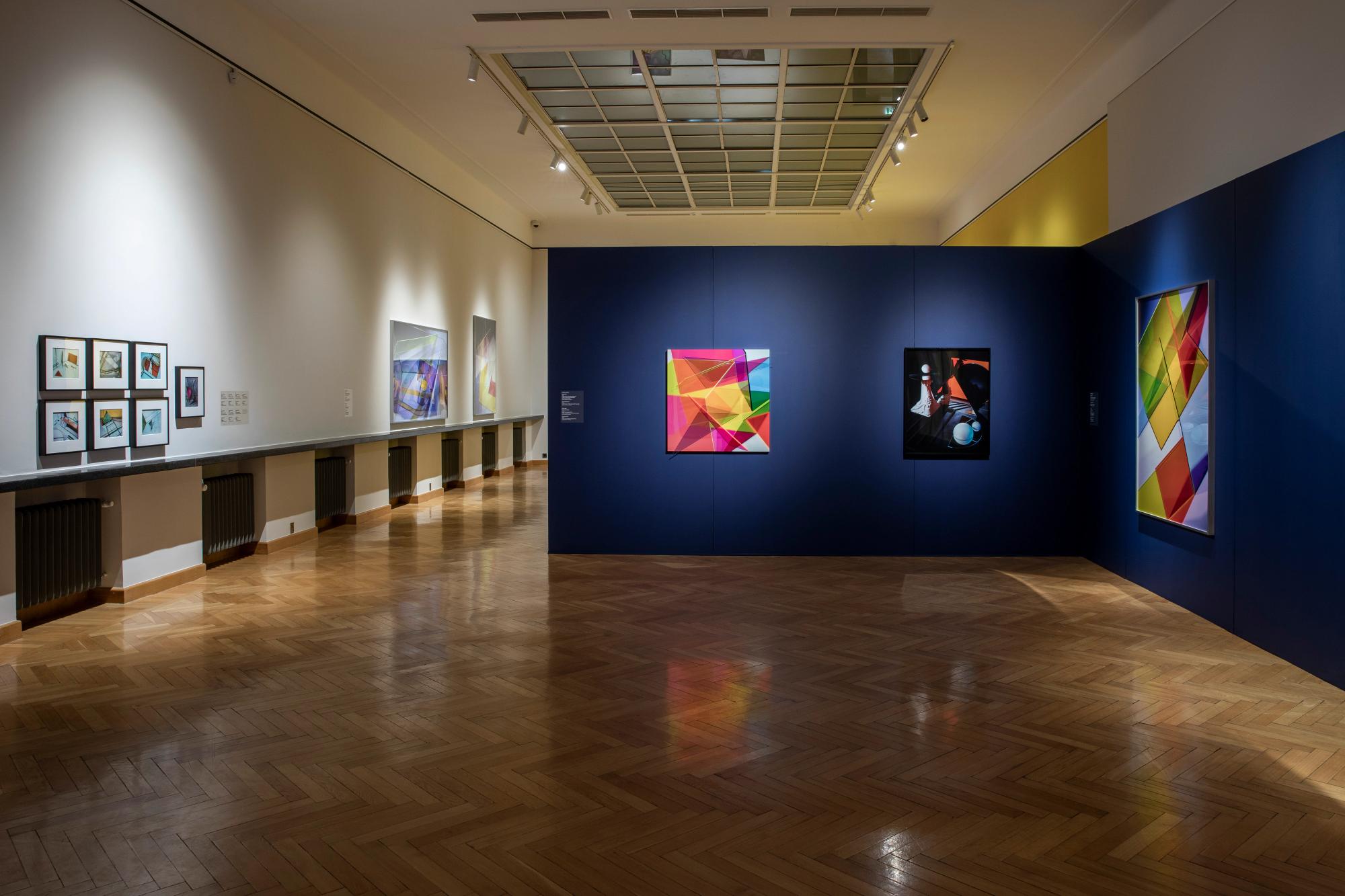
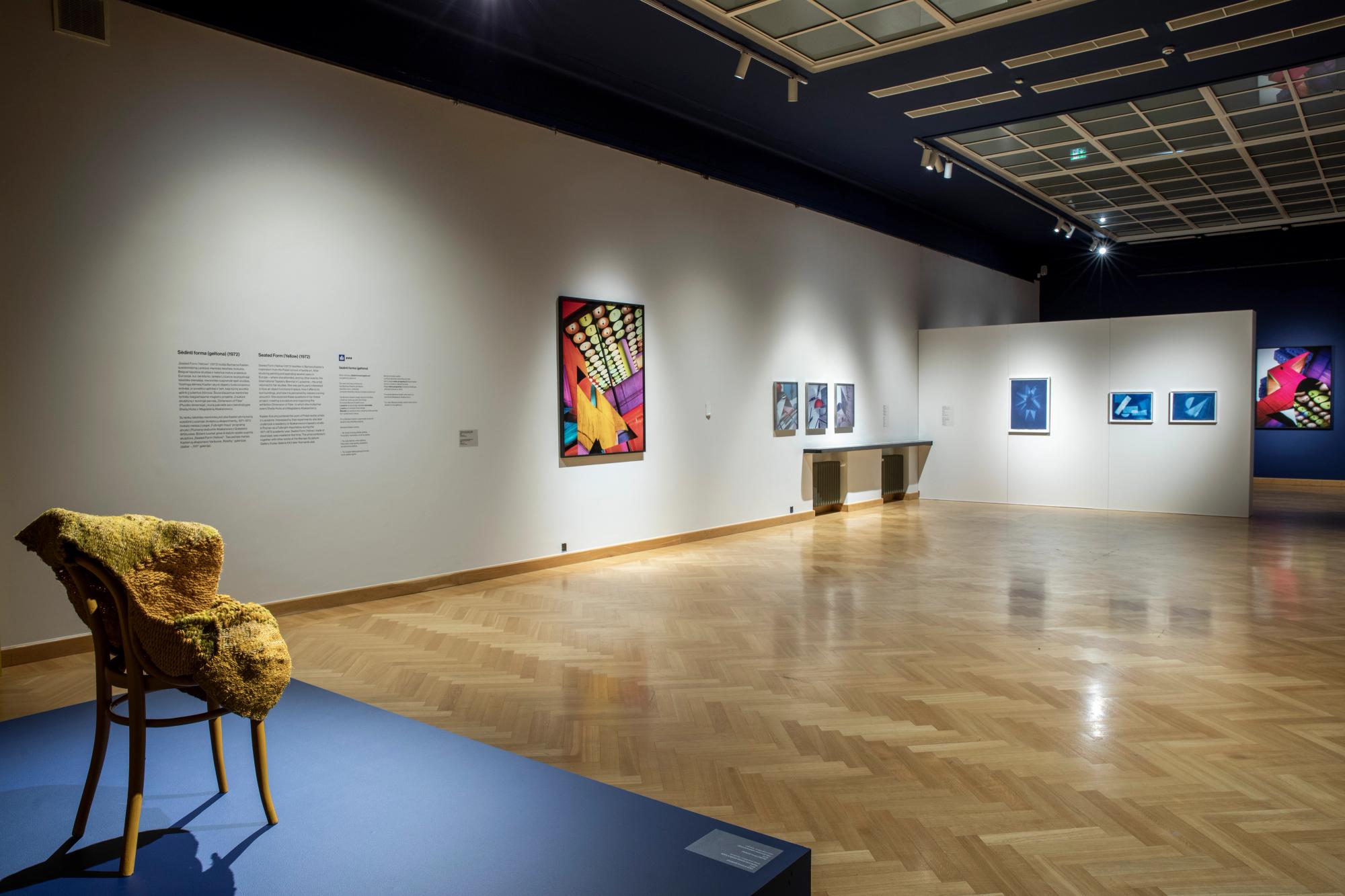
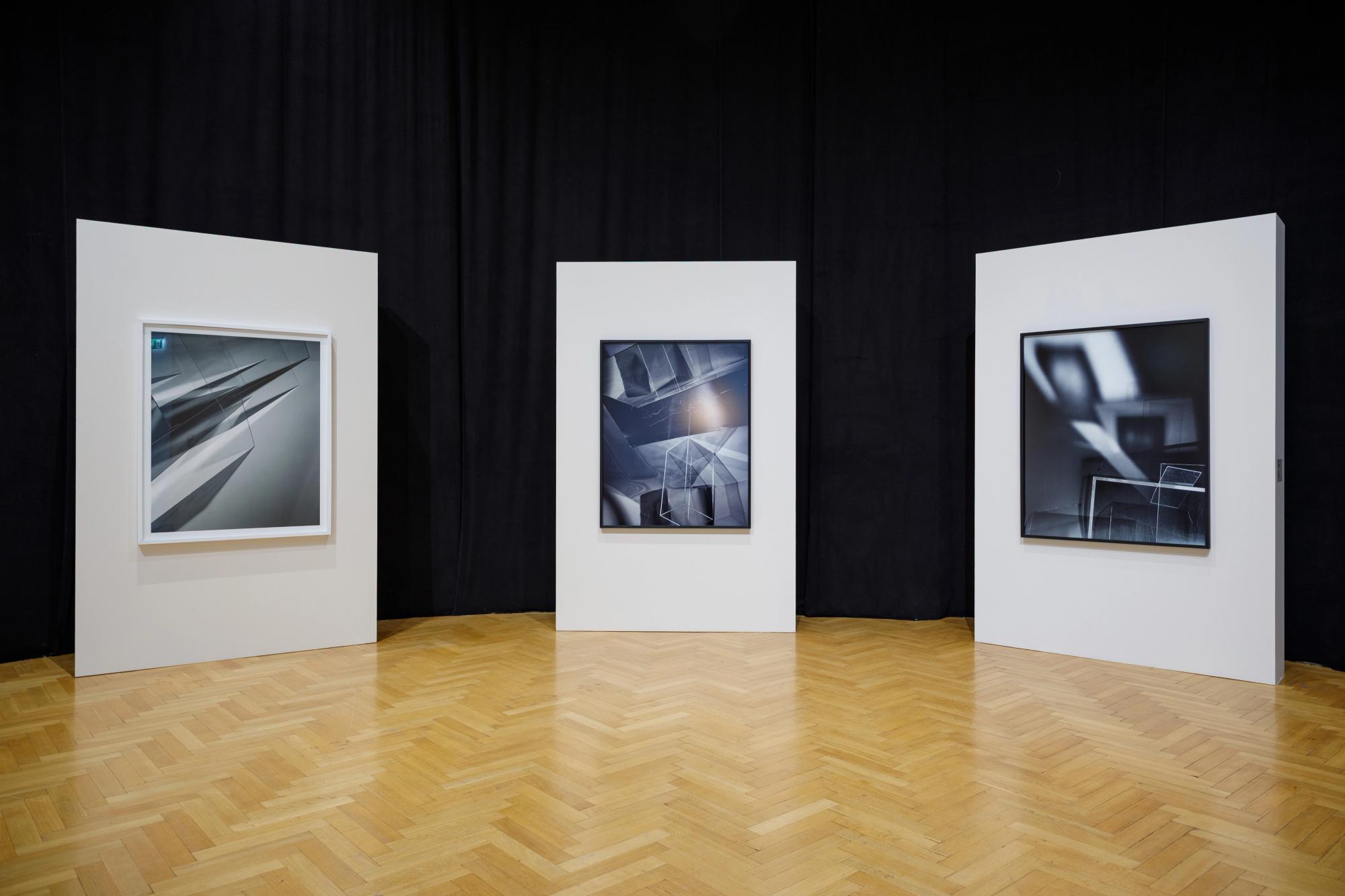
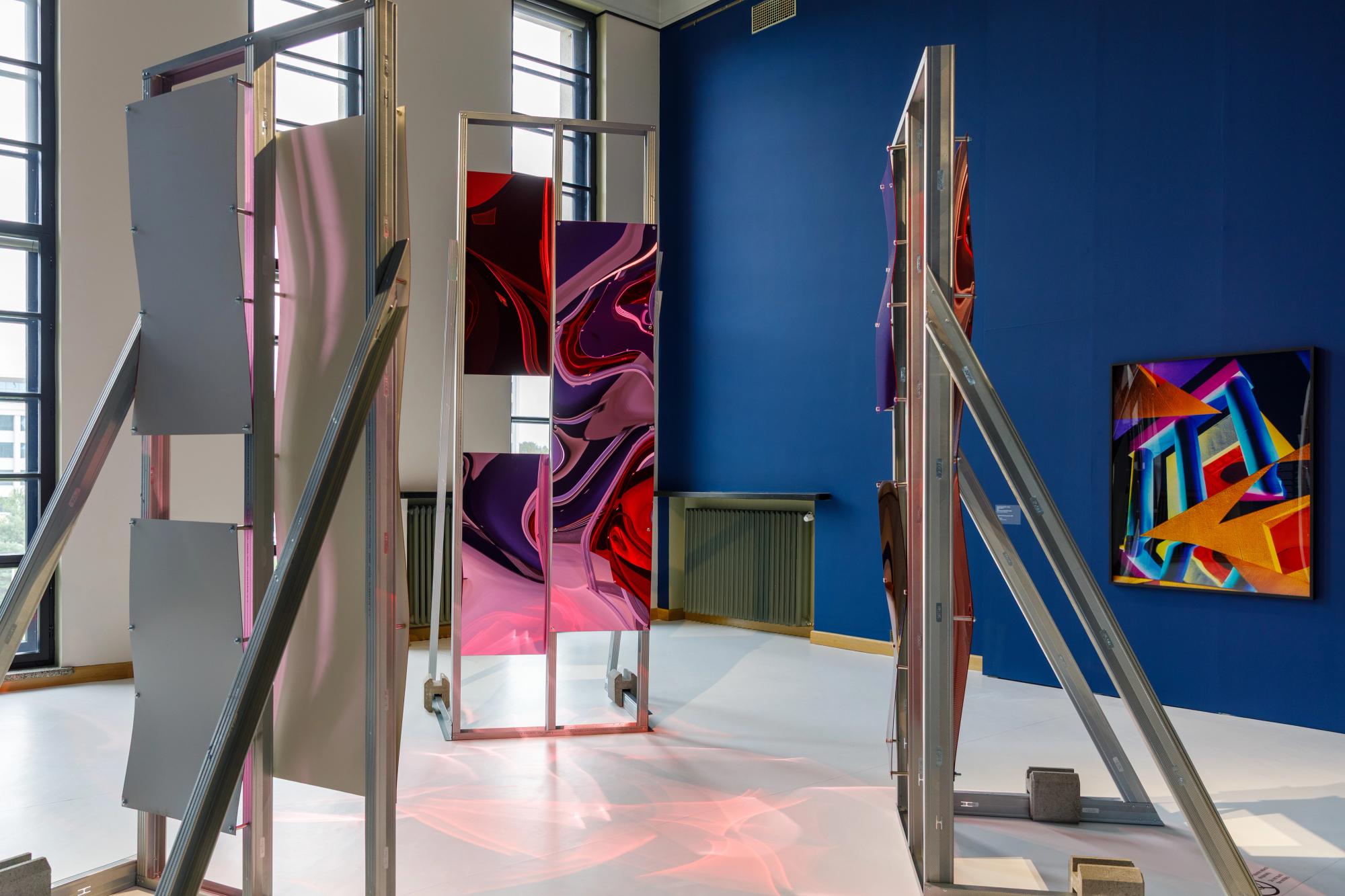
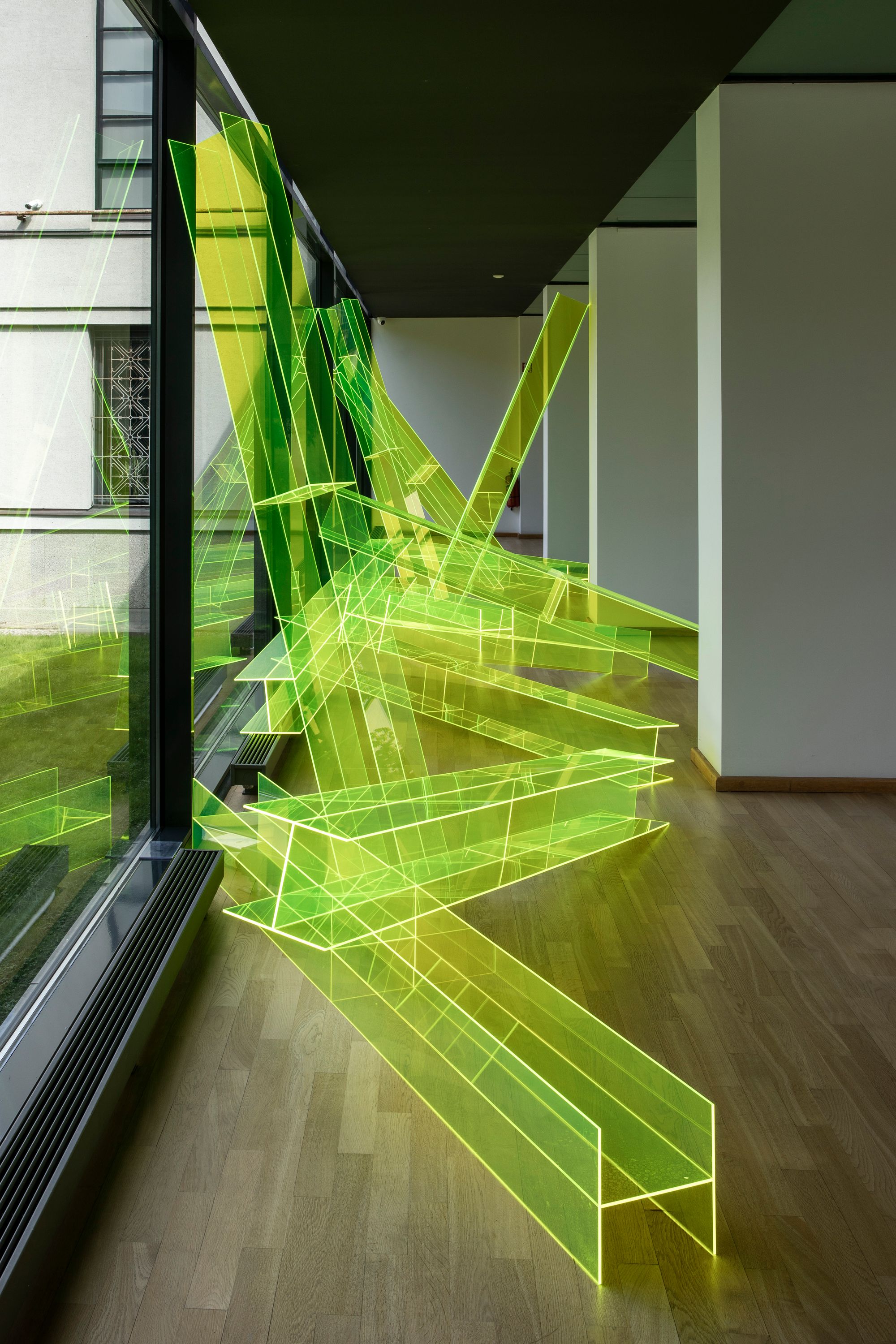
M. K. Čiurlionis National Museum of Art presents the exhibition Barbara Kasten: Post-Abstraction. This is the first large-scale solo exhibition of the artist in Lithuania.
Barbara Kasten belongs to a generation of artists who expanded the concept of photography and transformed it into a sphere of experimentation with space, light, and perception. Her studies in painting, sculpture, and textile design, as well as the ideas of the modernist art movement Bauhaus grew into a signifanct foundation for her work.
A decisive turning point in the artist’s career happened in 1971, when she won a Fulbright-Hays scholarship and moved to Poznań to study under one of the most significant European artists of the 20th century Magdalena Abakanowicz. While working in her studio, Kasten had an opportunity to reconsider the relationship between sculpture, space, and materiality. It was during this period that her artistic expression began to take shape, with light, colour, and space as its central elements.
The Bauhaus tradition and the ideas of László Moholy-Nagy had a significant influence on her work. Upon returning to the United States, Kasten transformed photography into an experimental medium in which she creates meticulously arranged visual compositions using mirrors, geometric forms, colour, and light. Later, after moving to New York, she devoted increasing attention to architecture, and her work came to blend Bauhaus experiments, Constructivism, and the influence of postmodern architecture.
“Barbara Kasten is a pioneer in every medium she has explored and one of the most consistent experimenters in contemporary art. Her work continues the tradition of female artists who redefine the very concept of the medium itself,” – emphasizes the exhibition curator Agnieszka Pindera.
Featuring approximately 80 artworks, including photographs, sculptures, and installations, this exhibition represents nearly six decades of Kasten’s career. They offer a close-up look at the evolution of the artist’s consistent explorations of light, colour, texture, and perception.
The title of the exhibition refers to Kasten’s dialogue with the history of the avant-garde, Constructivism, modernist and postmodernist architecture. The artist does not imitate the concept of abstraction, she modifies and tests it so that to relate it to the viewer’s experience. Her works combine photography, sculpture, architecture, and installation, thus a viewer becomes an active participant in the image.
In Kasten’s work, light is not a means of illuminating something, it becomes the material itself. Reflections in mirrors, colour filters, and geometric structures create visual situations in which the boundaries between real and imagined space, and between seeing and perceiving, disappear.